
Nutrition Month – March is National Nutrition Month
Liyah Unique Ruffin, Marcia Ditmyer, Stephen M. Modell

Discover the Power of Nutrition: Why it Matters
National Nutrition Month®, founded by the Academy of Nutrition and Dietetics in 1973, began as a week-long observance and has grown into a month-long national campaign to highlight the importance of informed food choices and healthy lifestyle habits. Nutrition is one of the most powerful personal investments we can make in long-term health. A balanced diet supports energy levels, strengthens immunity, sharpens focus, and helps prevent chronic disease.
We would love to hear from you!
Make your voice heard by advocating for public health matters:
However, poor nutrition and physical inactivity significantly increase the risk of chronic conditions such as type 2 diabetes, heart disease, certain cancers, and obesity.1 These conditions can lead to disability, reduced quality of life, and premature death. Oral health is also closely linked to diet. Excessive sugar intake and frequent consumption of acidic foods and beverages increase the risk of dental caries and erosive tooth wear. Nearly 46.0% of children aged 2–19 had untreated or restored dental caries in one or more primary or permanent teeth between 2017 and March 2020.2
Dietary patterns in the United States reflect concerning trends. Fewer than 1 in 10 children and adults consume the recommended daily amount of vegetables (two to three cups).1 At the same time, fast food accounts for 11.7% of daily calories among adults and 11.4% among children aged 2–19.3,4
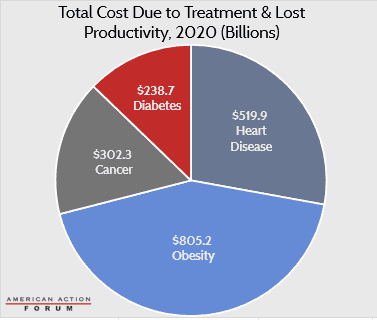
Beyond the human toll, the economic burden of poor nutrition is substantial. Between 2011 and 2020, the United States lost an estimated $16 trillion due to healthcare costs, lost wages, and reduced productivity associated with obesity, heart disease, type 2 diabetes, and 13 nutrition-related cancers.5 Chronic disease disrupts families, workplaces, and communities. It reduces federal revenue while increasing healthcare expenditures and disability support costs.5
The Current State of Health in Michigan: How’s Health in the Mitten?
Michigan reflects many of these national trends. Approximately 987,200 Michigan adults—10.7% of the adult population—have been diagnosed with diabetes, and an estimated 59,000 new cases are diagnosed annually.6
Adult obesity rates in Michigan exceed the national average. Nearly 70% of adults are either overweight (34.6%) or obese (35.2%).7 Obesity is a major risk factor for heart disease, type 2 diabetes, hypertension, and stroke—conditions that significantly reduce quality of life and increase mortality risk.
Similar to the national mortality rate, the number one killer in Michigan is heart disease, with an age-adjusted mortality rate of 199.5 per 100,000 Michigan residents in 2023.8 As we transition from February Heart Health Month, it is important to continue recognizing the urgency of this issue, as nutrition is a prime contributor to health outcomes.
Fruit and vegetable intake in Michigan also remains low. According to the 2019 Behavioral Risk Factor Surveillance System (BRFSS), most adults aged 18 and older did not meet federal recommendations.9 Only 10.8% of residents met the recommended 2–3 cups of vegetables per day, and just 11.0% met the recommended 1.5–2 cups of fruit daily.1,9,10
Given these statistics, promoting March as National Nutrition Month remains critical to improving both physical and mental health outcomes across our state.
A Snapshot of Nutrition and Health: United States vs. Michigan
Understanding where Michigan stands in relation to national nutrition and chronic disease trends helps contextualize both our challenges and opportunities for action. The data below provide a side-by-side comparison of key nutrition-related indicators, including diabetes prevalence, obesity rates, fruit and vegetable intake, fast-food consumption, oral health, and heart disease mortality. Together, these measures illustrate how dietary patterns influence health outcomes at both the national and state levels—and why continued investment in nutrition education, prevention, and policy is critical for improving health in Michigan.
| Indicator | United States | Michigan | Source(s) |
| Adults Diagnosed with Diabetes | 11.6% of U.S. adults (approximate national prevalence) | 10.7% of adults (≈987,200 adults) | 1,6 |
| New Diabetes Cases Annually | ~1.2 million new cases annually | ~59,000 new cases annually | 6 |
| Adult Overweight or Obesity | ~67% of U.S. adults overweight or obese | ~69.8% overweight (34.6%) or obese (35.2%) | 1,7 |
| Adult Obesity Alone | ~42% national adult obesity rate | 35.2% adult obesity rate | 1,7 |
| Adults Meeting Vegetable Intake Recommendations | <10% meet daily recommendations | 10.8% meet daily recommendations | 1,9 |
| Adults Meeting Fruit Intake Recommendations | ~12% meet daily recommendations | 11.0% meet daily recommendations | 1,9 |
| Daily Calories from Fast Food (Adults) | 11.7% of total daily calories | Comparable to national trend | 4 |
| Children/Adolescents Calories from Fast Food | 11.4% of total daily calories | Comparable to national trend | 3 |
| Children (2–19) with Dental Caries | 46.0% with untreated or restored caries | Comparable to national trend | 2 |
| Leading Cause of Death | Heart disease | Heart disease (199.5 per 100,000, 2023) | 8 |
| Economic Impact of Poor Nutrition | $16 trillion (2011–2020) | State-level cost contributes to national total | 5 |
Take Control of Your Health Today!
You may be wondering: What does a healthy plate actually look like?
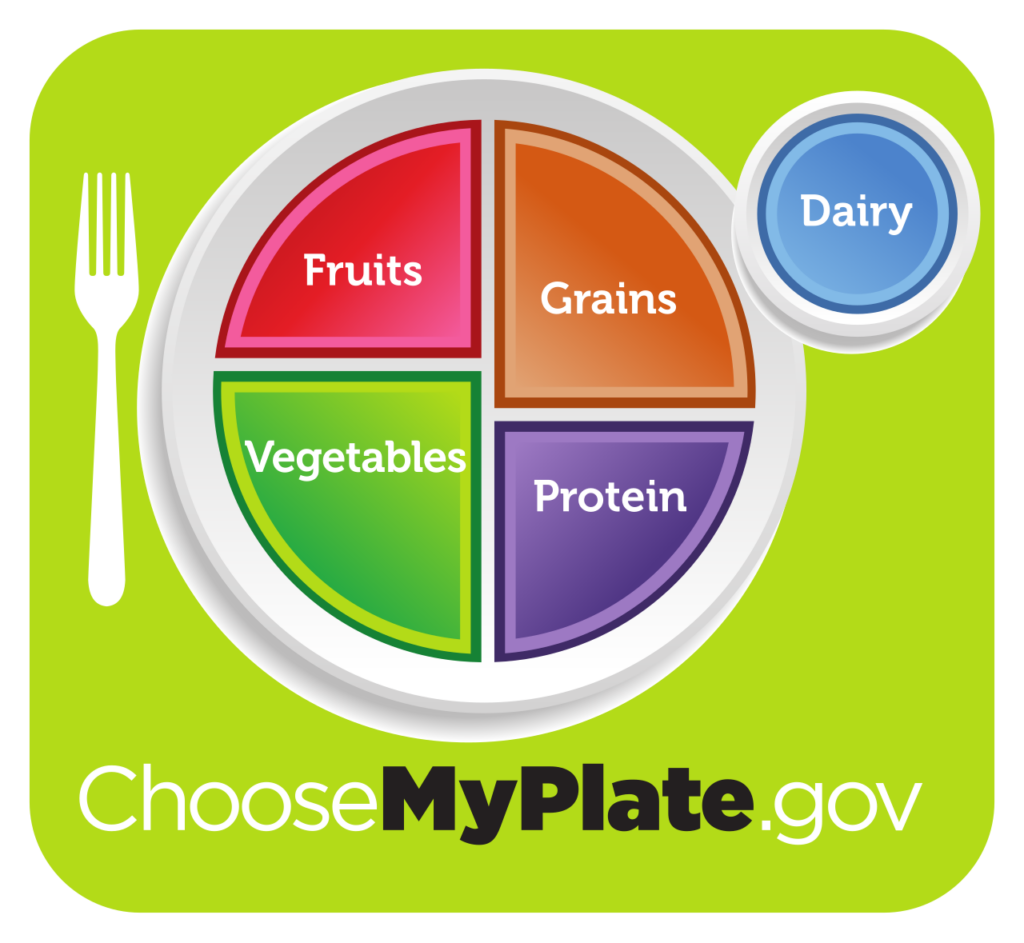
The U.S. Department of Agriculture developed MyPlate as a simple visual guide representing the five food groups and recommended proportions for balanced meals. MyPlate was launched on June 2, 2011, by First Lady Michelle Obama and Agriculture Secretary Tom Vilsack.11 Each item presented on the plate is based on the Dietary Guidelines for Americans, offering yearly updates on nutrition tips, education, and personalized goals to help individuals optimize their health and improve health outcomes.
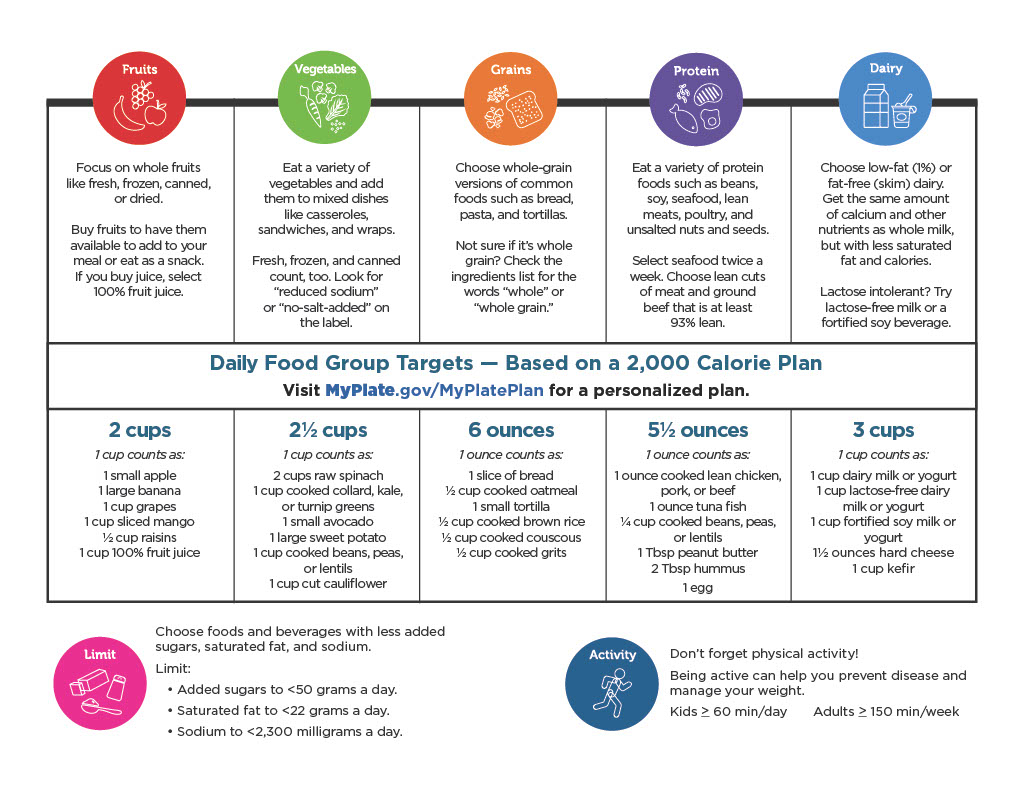
Figure 2. Offers a detailed description of the Dietary Guidelines Americans should follow when selecting foods from each food group and ensuring they consume enough nutrients daily.
Small shifts—such as filling half your plate with fruits and vegetables, choosing whole grains, and limiting added sugars and saturated fats—can produce meaningful long-term benefits.
What’s Next, Michigan?
Nutrition influences five of the leading health concerns in the United States: heart disease, obesity, type 2 diabetes, cancer, and hypertension. Many of these conditions are preventable—or at least modifiable—through sustainable lifestyle changes.
Building Healthy Habits into Your Day
- Start with small changes
- Focus on balance, not perfection
- Plan when possible
- Stay hydrated
- Emphasize habits that are sustainable over time
Healthy Habits Have Rewarding Benefits
- Improved sleep quality
- Reduce anxiety and depressive symptoms
- Increased energy
- Sharper focus
- Stronger immune system
- Reduced risk of chronic disease
- Healthier weight management
- Stronger bones & teeth
Expert Guidance You Can Trust
- Visit a medical professional first to assess your current health status.
- Consult a Registered Dietitian Nutritionist (RDN) or Nutrition and Dietetics Technician, Registered (NDTR) for personalized guidance aligned with your health goals.
Resources in Michigan/Local
- Visit your local farmers market to discover fresh produce while supporting Michigan agriculture.
- Explore health food stores that emphasize nutritious, minimally processed options as emphasized by the 2025-2030 USDA Dietary Guidelines.10
- Support community efforts to reduce food insecurity (e.g., Hidden Harvest – Putting Good Food to Good Use).
- Visit the Michigan Department of Health & Human Services website for programs and assistance to support your nutritional needs.
Act Now!
Nutrition is foundational across the lifespan—from supporting growth and development in children to promoting vitality in older adults. Take your first step this week by incorporating one new healthy snack or meal into your daily routine to minimize the chances of developing a chronic preventable disease. If you require support, seek a trusted professional for guidance. Nutrition has the power to help you—and your community—thrive. Discover it. Use it. Live it!
References
- Centers for Disease Control and Prevention. Chronic Disease Indicators. Nutrition, Physical Activity, and Weight Status. Retrieved February 9, 2026, from https://www.cdc.gov/cdi/indicator-definitions/npao.html.
- Centers for Disease Control and Prevention. National Center for Health Statistics. Oral and Dental Health. Retrieved February 15, 2026, from https://www.cdc.gov/cdi/indicator-definitions/npao.html.
- Centers for Disease Control and Prevention. Health E-Stat 106: Fast-food Intake Among Children and Adolescents in the United States, August 2021-August 2023. Retrieved February 12, 2026, from https://www.cdc.gov/cdi/indicator-definitions/npao.html.
- Centers for Disease Control and Prevention. Fast-food Intake Among Adults in the United States, August 2021-August 2023. Retrieved February 10, 2026, from https://www.cdc.gov/cdi/indicator-definitions/npao.html.
- American Action Forum. The Economic Costs of Poor Nutrition. Retrieved February 10, 2026, from https://www.cdc.gov/cdi/indicator-definitions/npao.html.
- American Diabetes Association. The Burden of Diabetes in Michigan. Retrieved February 15, 2026, from https://www.cdc.gov/cdi/indicator-definitions/npao.html.
- MSU Extension: Food and Health. Build a health and wellness plan. Retrieved February 12, 2026, from https://www.cdc.gov/cdi/indicator-definitions/npao.html.
- Centers for Disease Control and Prevention. National Center for Health Statistics: Stats of the States. Heart Disease Mortality. Disease Mortality. Retrieved February 10, 2026, from https://www.cdc.gov/cdi/indicator-definitions/npao.html.
- Centers for Disease Control and Prevention. Morbidity and Mortality Weekly Report (MMWR). Adults Meeting Fruit and Vegetable Intake Recommendations—United States, 2019. Retrieved 9, 2026, from https://www.cdc.gov/cdi/indicator-definitions/npao.html.
- USDA. Dietary Guidelines for Americans, 2025-2030. Retrieved February 26, 2026, from https://cdn.realfood.gov/DGA.pdf.
- USDA Food and Nutrition Service. Start simple with MyPlate. Retrieved February 11, 2026, from https://www.cdc.gov/cdi/indicator-definitions/npao.html.
Updated 03/04/2026