Day 2- Epidemiologists: Physicians for the Community
Brian Hartl, Epidemiology Section
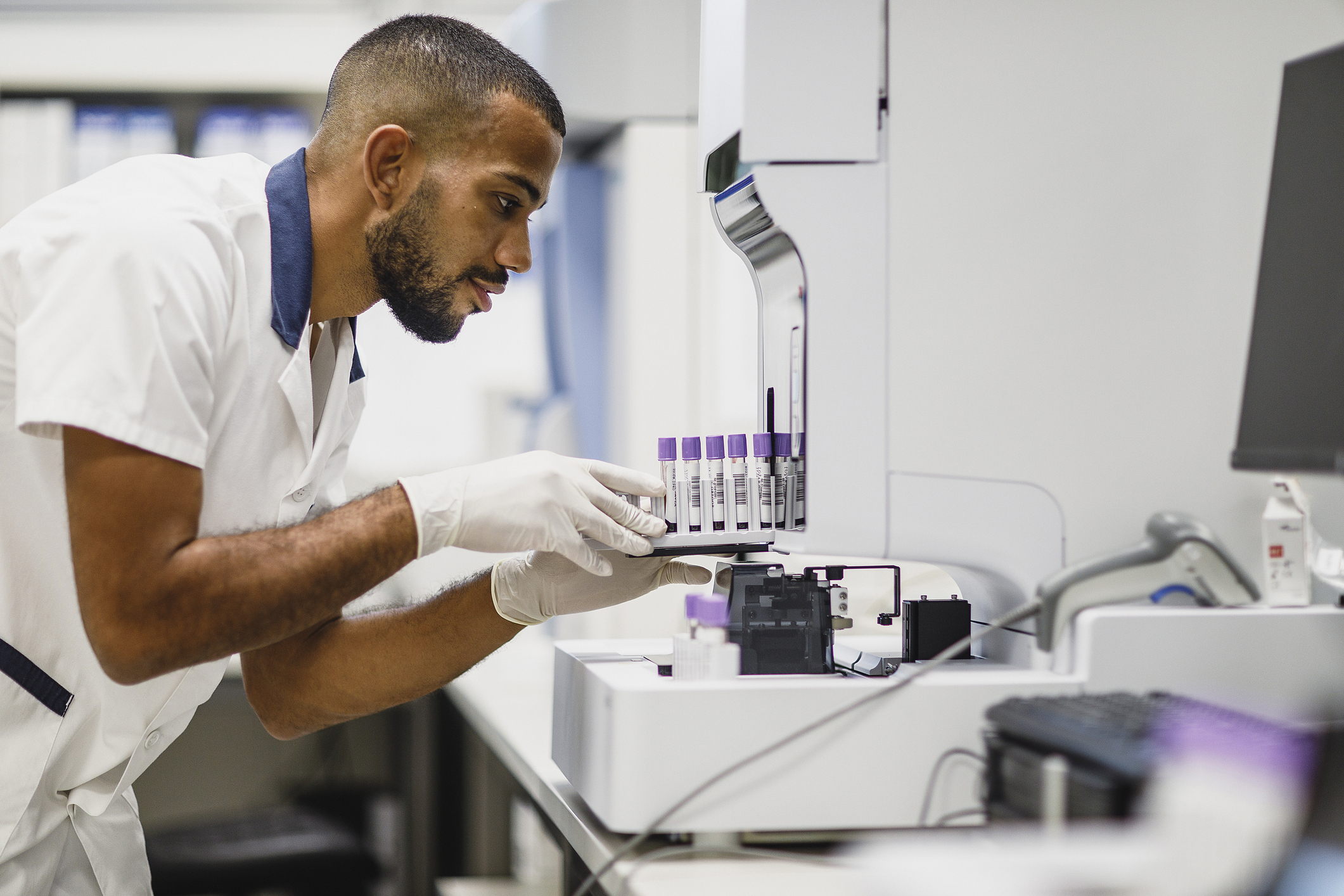
I’ve grown accustomed to the puzzled look when I tell someone I’m an epidemiologist. “So…are you a skin doctor?” they’ll ask. While I’m not a physician, I often draw a comparison between medicine and epidemiology to help clarify what I do—and why it matters.
Medicine is the science and practice of diagnosing, treating, and preventing disease in individuals. Epidemiology, on the other hand, is the study of the distribution and determinants of disease across populations—and the application of that knowledge to prevent and control health problems. In many ways, epidemiologists are the physicians of the community.
We would love to hear from you!
Make your voice heard by advocating for public health matters:
MPHA is seeking Board nominees for the 2026-2028 term:
Epidemiology is a data-driven discipline grounded in systematic, unbiased collection and analysis of information. We ask questions like: Who is getting sick? Where and when are illnesses occurring? What factors are contributing? By answering these, we move beyond identifying patterns to understanding causes—and, most importantly, to preventing future harm.
Like physicians, epidemiologists are concerned with diagnosis, treatment, and prevention—but our “patient” is not an individual. It is the community. When someone seeks care for a diarrheal illness, a physician evaluates symptoms, orders tests, and provides treatment to help that individual recover. An epidemiologist asks a different set of questions: Where did you eat? Have others been sick? Is there a shared exposure? We look for connections that signal a broader public health concern.
This work often happens behind the scenes. For example, when you hear about a food recall related to Salmonella or E. coli, that action is the result of careful epidemiologic investigation. Once a case is reported, epidemiologists begin tracing exposures, conducting interviews, and analyzing laboratory data to identify patterns. When cases across regions share a common source, we work with partners like the Food and Drug Administration and the U.S. Department of Agriculture to investigate and, if needed, remove contaminated products from circulation—preventing additional illness.
While the roles of physicians and epidemiologists differ, they are deeply connected by a shared mission: to protect health and prevent disease. One works at the bedside, the other works at the population level. Both are essential.
So perhaps the next time someone asks if I’m a doctor, I’ll answer a little differently:
“No—but as a member of this community, you are one of my patients.”
Ready. Set. Action. What YOU Can Do!
This National Public Health Week, we all have a role to play in strengthening the health of our communities:
- Stay informed: Follow trusted public health sources and share accurate information.
- Practice prevention: From food safety to vaccinations, small actions make a big difference.
- Support public health: Advocate for policies and resources that protect community health.
- Engage locally: Partner with local health departments, community organizations, and public health initiatives.
- Be a messenger: Help combat misinformation by promoting evidence-based practices in your networks.
Public health is not something that happens to us—it is something we build together. This week, and every week, let’s move from awareness to action.
Updated 04/07/2026