

Archived Articles
Male Suicide in Michigan: Policy Directions and the Human Element
Stephen M. Modell, Sarah Y. T. Hartzell, Richard L. Douglass

The Uniqueness of Men’s Suicide
Suicide remains a critical public health concern in the United States, with rates continuing to rise over the past two decades. In Michigan, this trend is particularly pronounced, with suicide rates increasing by more than 25% during this span. Men bear a disproportionate burden of suicide mortality.
June: Alzheimer’s & Brain Awareness Month
Liyah U. Ruffin, Marcia Mastracci Ditmyer, PhD, MBA, MS

Brief History
The first documented case of Alzheimer’s disease was described in 1906 by German psychiatrist and neuropathologist Dr. Alois Alzheimer. He reported the case of a 50-year-old woman who experienced profound memory loss, paranoia, and progressive cognitive decline. Although the condition had been recognized for decades, Alzheimer’s disease was formally established as a major public health concern in the 1970s.
Breaking the Stigma — Mental Health Awareness Month
Liyah U. Ruffin

Brief History
Mental Health Awareness Month was established in 1949 by Mental Health America (MHA) to increase awareness and promote education around mental health. Its origins trace back to the work of Clifford W. Beers, a former psychiatric patient who helped launch the American mental hygiene movement in 1908. His advocacy was instrumental in bringing national attention to the treatment of individuals with mental illness, advancing more humane clinical practices, and improving public perceptions of mental health conditions.
Nutrition Month – March is National Nutrition Month
Liyah Unique Ruffin, Marcia Ditmyer, Stephen M. Modell

Discover the Power of Nutrition: Why it Matters
National Nutrition Month®, founded by the Academy of Nutrition and Dietetics in 1973, began as a week-long observance and has grown into a month-long national campaign to highlight the importance of informed food choices and healthy lifestyle habits. Nutrition is one of the most powerful personal investments we can make in long-term health. A balanced diet supports energy levels, strengthens immunity, sharpens focus, and helps prevent chronic disease.
April: Parkinson’s Awareness Month
Christina Sellers, Marcia Mastracci Ditmyer

What Is Parkinson’s Disease and Why it Matters:
Currently, more than 1.1 million people in the United States live with Parkinson’s Disease (P.D.), and an estimated 90,000 individuals are newly diagnosed each year.1,2 The number of people living with P.D. in the U.S. is projected to reach 1.2 million by 2030.
March: Traumatic Brain Injury Awareness Month
Christina Sellers, Stephen M. Modell, Marcia Ditmyer

What is a Brain Injury and Why it Matters:
Every 9 seconds, someone in the United States sustains a brain injury.¹ Brain injuries can be defined as traumatic, caused by an external force such as a concussion, or non-traumatic (acquirs measles elimination status.
A Preventable Setback: Measles Resurgence and the Risk to U.S. Elimination Status
Christina Sellers, Stephen M. Modell, Marcia Ditmyer
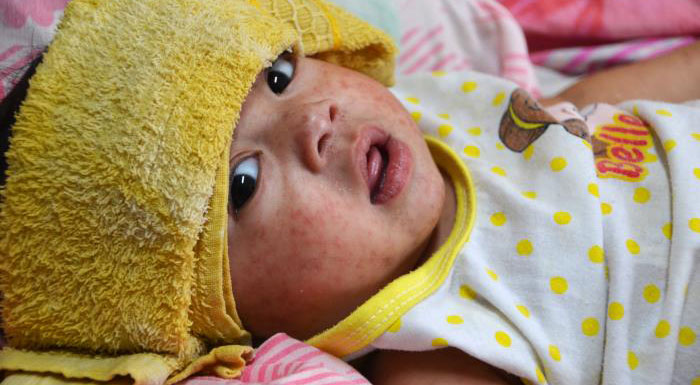
After nearly 30 years of keeping measles at bay, the United States now stands on the brink of losing one of its most significant public health achievements. The return of measles is no longer a theoretical concern—it is unfolding in real time. In January 2026, after nearly three decades, the United States is expected to lose its measles elimination status.
Heart Health Month — February is American Heart Month
Marcia Mastracci Ditmyer, PhD, MBA, MS; Stephen M Modell, MD, MS; Richard Douglass, MPH, PhD

Heart Disease in the United States: Why It Matters
Heart disease remains the leading cause of death in the United States for both men and women, far surpassing all other causes.¹˒² In 2023 alone, more than 919,000 deaths were attributed to cardiovascular disease—approximately 1 in every 3 deaths nationwide.¹˒²
Obtuse and Acute Angles in Policy Viewpoints over Hepatitis B Vaccination at Birth
Stephen M. Modell & Marcia Ditmyer

Understanding Hepatitis B and Its Risks
Hepatitis B (HBV) is a serious viral infection that can lead to cirrhosis, liver cancer, and ultimately liver failure. Infants and children who contract HBV are far more likely than adults to develop chronic, lifelong infection with these severe consequences.1
Health in the Holiday Season: Tips for Staying Healthy During Festivities
Kelsey Phelps

The holiday season is a time of connection and celebration, bringing loved ones together during the colder months. Amid the excitement, healthy routines are disrupted. As we enter this festive time of year, it is essential to reflect on ways to maintain and protect our health. Below are four practical tips for staying healthy throughout the season.
Shining a Light on Lung Cancer Awareness
Richard Douglass, Christine Sellers, Stephen Modell, & Marcia Ditmyer

In 1965, the U.S. Surgeon General—prompted in part by the work of then–University of Michigan health policy researcher Ken Warner—published a landmark report confirming that cigarette smoking was the principal cause of lung cancer in the United States.¹ Since that time, tobacco use has declined significantly, thanks in large part to public health efforts such as anti-smoking media campaigns and school-based education programs.¹
Michigan Halts November SNAP Benefits Amid Federal Shutdown
Marcia Ditmyer & Stephen M. Modell

The federal Supplemental Nutrition Assistance Program (SNAP) to the states has been a target of attempts to cut government spending ever since the constrained shaping of reconciliation began to take place in January of this year. 2024 appropriations allocated $300 billion in mandatory funding for SNAP. Prior to the now enduring 2025 Congressional appropriations battle, the Republican plan was to exact another $300 billion in SNAP funding through 2034…
October is Breast Cancer Awareness Month — Michigan Needs Action More Than Ever
Marcia Mastracci Ditmyer, Stephen M. Modell, Christina Sellers

October marks Breast Cancer Awareness Month, a time to reflect, refocus, and mobilize. Breast cancer remains a significant public health concern, both nationally and here in Michigan. Awareness, screening, and access to care can make the difference between early detection and late diagnosis. Despite improvements in survival, the overall incidence rate of breast cancer has been increasing in recent years.¹
Mitigating the Effect of Federal Health Insurance Budget Cuts on Michigan
Stephen M. Modell

As if the numerous job cuts to healthcare and public health workers that have been taking place and the Big Beautiful Bill health budget reductions now being set in stone were not enough, the Trump Administration has been gradually, almost subliminally nipping along the edges of Americans’ more tacit health benefits. The enhanced premium tax credits that continued through the COVID period are set to expire at the end of this year. Subsidized Affordable Care Act (ACA) Marketplace enrollees can expect their out-of-pocket premium payments to rise upwards of 150% (Lo et al., 2025).
Immunity at Risk: A Call to Action on Childhood Vaccinations
Christina Sellers, Stephen M. Modell, Marcia Mastracci Ditmyer
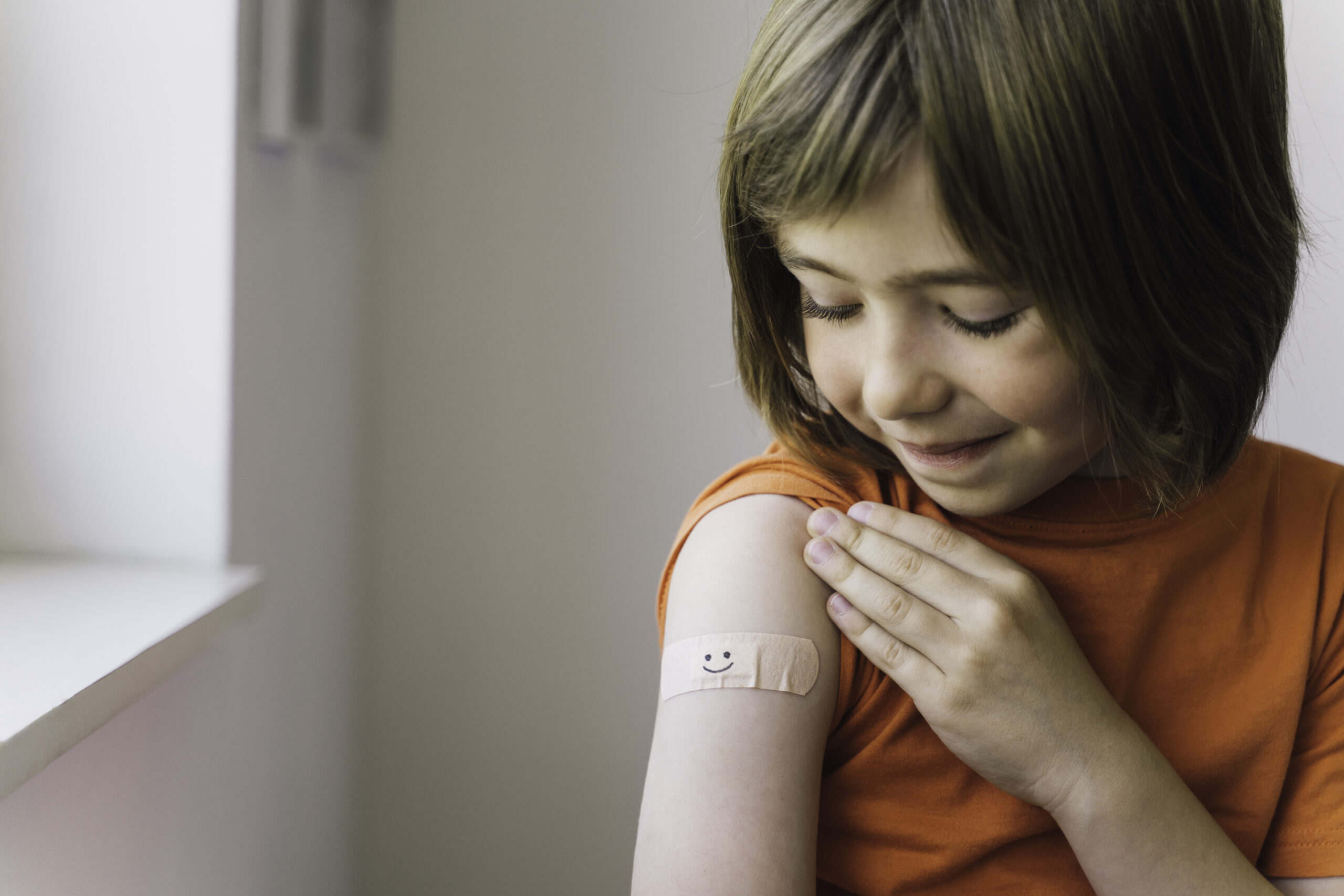
The United States declared measles a reportable disease in 1912, meaning that all healthcare providers, laboratories, and hospitals were required to report cases. Prior to the availability of a vaccine, the CDC estimates that 3–4 million people in the U.S. contracted the virus each year, resulting in 400–500 deaths annually.1 The very first measles vaccination was trialed in the late 1950s and early 1960s. Early studies showed remarkable results, with reports of 100% efficacy.
Understanding the Healthcare Impact of the One Big Beautiful Bill
Kelsey Phelps, Hope Rollins, MBA, & Marcia Mastracci Ditmyer, PhD

On July 4, 2025, President Donald J. Trump signed into law the One Big Beautiful Bill, introducing sweeping changes across multiple areas of policy, including taxation, immigration, and healthcare. Among the most significant impacts are the modifications to the American healthcare system, particularly affecting Medicaid, eligibility requirements, and the Supplemental Nutrition Assistance Program (SNAP). These changes carry profound implications for low-income and vulnerable populations. As this legislation takes effect, both healthcare professionals and the broader public need to understand its potential consequences.
Understanding UV Radiation: How to Stay Safe in the Sun
Kelsey Phelps

The sun is a constant presence in our lives, bringing warmth and joy into the hearts of many Michigan residents. Whether you are hitting the beach, working in the yard, or going for a summer walk with family, sun exposure is ever-present. July is UV awareness month, a time to reflect on proactive steps to protect your skin from harmful UV rays of the sun. As the weather becomes warmer, it is important to understand the risks of UV radiation and ways to protect yourself and others from damaging sun exposure.
RSV: What You Need to Know
Kelsey Phelps

Respiratory Syncytial Virus (RSV) is a common respiratory virus that affects people of all ages. Infants, young children, older adults, and individuals with weakened immune systems are at a greater risk of severity and complications. According to the Centers for Disease Control and Prevention, while RSV does not usually cause severe symptoms and illness in many individuals, it can cause bronchiolitis (inflammation of the small airways in the lungs) and pneumonia (infection of the lungs) in older adults and children under 6 months of age. (CDC, 2024)
The Public Health Value of Community Water Fluoridation
Marcia Ditmyer, PhD and Raymond D. Rawson, DDS

History of Community Water Fluoridation. Community water fluoridation (CWF) is widely regarded as one of the most significant public health achievements of the 20th century, providing a safe, cost-effective, and equitable approach to enhancing oral health across populations.1.2 Fluoridation of drinking water began in 1945 and, by 1999, had reached an estimated 144 million people in the U.S. Fluoridation safely and inexpensively benefits both children and adults by effectively preventing tooth decay, regardless of socioeconomic status or access to care. Fluoridation has played a crucial role in reducing tooth decay (40%-70% in children) and tooth loss in adults (40%-60%).3 CWF began right here in Michigan, in Grand Rapids, in 1945. Grand Rapids was the first city to intentionally add fluoride to its water supply to prevent tooth decay. Currently, at least a dozen states have laws mandating that larger communities fluoridate, among them California, Delaware, Georgia, Illinois, Kentucky, Louisiana, Minnesota, Mississippi, Nebraska, Nevada, Ohio, and South Dakota…
Measles: A Resurgent Threat in the Age of Vaccination
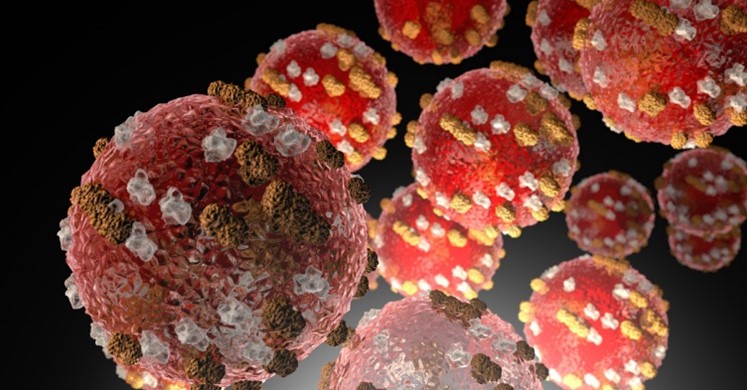
Measles is a highly contagious disease with potential serious complications that may even result in death. The CDC states that if one person has it, up to 9 out of 10 people nearby will become infected if they are not protected. The measles vaccine is effective against getting the disease. The measles vaccine has been in use for over 60 years, and side effects, if any are mild from the vaccine. Studies have shown that there is not a link to autism and the measles vaccine.
We would love to hear from you!
Make your voice heard by advocating for public health matters: